NEOPRENE FACTORY: HUNAN TIANCHI POLYMER NEW MATERIAL CO., LTD.
Language:
 ∷
∷

∷
 ∷
∷
Are You Truly Maximizing the Warmth and Performance of Your Wetsuits? The Secret Lies Within the Lamination.
Have you ever stopped to wonder what truly separates a mediocre wetsuit from a high-performance thermal shield that lets you conquer the coldest waters? Is it just the thickness of the rubber? Or is there a deeper, more complex science at play? For brand owners, product designers, and water sports enthusiasts, the quest for maximum warmth often leads to one critical, yet frequently overlooked, aspect: the lamination of the neoprene fabric. Isn't it time you understood how this process could redefine the quality and appeal of your products?
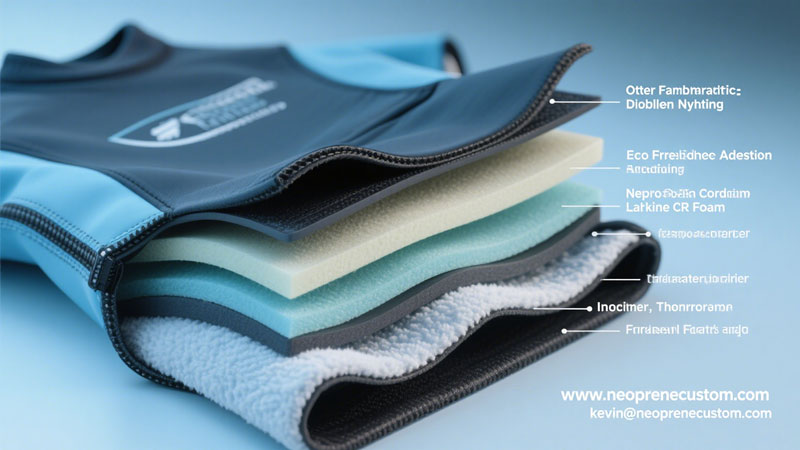
At its core, a wetsuit is a second skin. But what makes this skin effective? The answer is found in the intricate layers that constitute the final fabric. Raw neoprene foam, while possessing incredible insulation properties, is vulnerable and sticky. It requires protection. This is where lamination comes in—the art and science of bonding fabrics to the neoprene core. But are all lamination techniques created equal? Absolutely not. The choice of laminating fabric, the type of adhesive used, and the precision of the manufacturing process are the defining factors between a wetsuit that just works and one that excels.
This guide will take you on a deep dive into the world of neoprene lamination. We won't just skim the surface. We will deconstruct the components, explore the cutting-edge techniques, and reveal how you can leverage custom solutions to create the warmest, most flexible, and durable wetsuits on the market. Have you ever considered that the perfect fabric for your brand might not exist off-the-shelf, but needs to be engineered? As a specialized manufacturer of custom neoprene fabrics, we believe in empowering you with this knowledge. Are you ready to unlock the true potential of your wetsuit designs?
Deconstructing the Foundation: What Exactly is Wetsuit-Grade Neoprene Foam?
Before we delve into lamination, shouldn't we first understand the core material itself? Neoprene, or polychloroprene, is a synthetic rubber known for its remarkable thermal insulation, flexibility, and buoyancy. But did you know that not all neoprene foam is the same? The choice of the foam core is the very first step in designing a high-performance fabric.
Chloroprene Rubber (CR): The Gold Standard
Have you ever heard of "100% CR neoprene"? This refers to foam made purely from chloroprene. Why is it considered the premium choice? CR foam boasts the best balance of properties: superior elasticity, excellent compression resistance (meaning it maintains its thickness and warmth at depth), and a high degree of waterproofing. For professional-grade diving suits, surfing wetsuits, and any application where performance is non-negotiable, isn't CR the obvious starting point? It provides that supple, comfortable feel that discerning users demand.
Styrene-Butadiene Rubber (SBR): The Cost-Effective Workhorse
What if your product is aimed at a more budget-conscious market, or for applications where extreme flexibility isn't the primary concern? This is where SBR, or blends of SBR and CR, come into play. SBR is a more affordable synthetic rubber that still offers good insulation and durability. While it may not have the same "buttery" feel or memory as high-end CR, it's a fantastic material for wetsuit accessories, thicker suits for surface sports, or entry-level products. Don't many successful product lines rely on finding this perfect balance between cost and performance?
Limestone Neoprene: The Eco-Conscious Innovation
In an era of increasing environmental awareness, are your customers asking for more sustainable options? Traditional neoprene is derived from petroleum. Limestone neoprene, however, uses calcium carbonate from limestone to form the chloroprene rubber chips. This process is cleaner and uses significantly less energy. But is it just an eco-friendly gimmick? Far from it. High-quality limestone neoprene often exhibits a more uniform, high-density closed-cell structure. What does this mean for the user? It translates to increased impermeability, greater warmth, lighter weight, and enhanced durability. As a manufacturer, we see a growing demand for this material and specialize in sourcing and laminating premium limestone neoprene. Could this be the key differentiator for your brand?
Understanding these foam types is crucial because the lamination process must be tailored to the properties of the core. The adhesive, pressure, and choice of fabric will all be influenced by whether we are working with a super-stretch CR or a denser SBR blend. This is the foundation upon which warmth is built.
The Heart of the Matter: A Deep Dive into Lamination Techniques for Maximum Warmth
Now, let's address the central question: how do we laminate this foam to maximize warmth? Lamination is not just about gluing fabric on. It's a sophisticated process of creating a composite material where each layer serves a specific purpose.
1. The Laminating Fabrics: Your First Line of Defense and Comfort
What fabric do you envision when you think of a wetsuit's interior and exterior? It's likely nylon or polyester. But the variety is vast, and the choice is critical for thermal performance.
Nylon Laminates: The All-Round Champion
Isn't nylon the most common fabric you see on wetsuits? There's a good reason for that. It's incredibly durable, abrasion-resistant, and offers good stretch. But did you know there are different grades of nylon?
Standard Nylon: Perfect for the exterior of wetsuits in high-wear areas like the knees, seat, and shoulders. It provides the toughness needed to withstand contact with surfboards, rocks, and equipment.
Super Stretch Nylon (4-Way Stretch): What creates that feeling of unrestricted movement in a modern wetsuit? It's often a high-elongation, super-stretch nylon. When laminated to a flexible CR foam, it creates a fabric that moves with the body, reducing fatigue and enhancing performance. We can source and laminate nylons with varying degrees of stretch to perfectly match your flexibility requirements.
Polyester Laminates: The Fast-Drying Alternative
Have you ever been frustrated by a wetsuit that stays damp for hours? Polyester is inherently hydrophobic, meaning it repels water and dries much faster than nylon. While typically less stretchy than high-end nylons, it excels in colorfastness, making it ideal for brightly colored or printed custom designs. For watersports where you are in and out of the water frequently, wouldn't a fast-drying inner lining be a huge selling point?
The Key to Warmth: Specialized Thermal Linings
This is where we truly unlock maximum warmth. Instead of a standard flat-knit nylon, what if the inner laminate was a fabric specifically engineered to trap heat? As a custom manufacturer, this is our area of expertise. We can laminate a variety of thermal materials to the neoprene core:
Fleece Lining (Brushed Polyester/Nylon): Have you ever worn a fleece jacket? Imagine that soft, heat-trapping ability inside your wetsuit. The brushed, lofty fibers of a fleece lining create thousands of tiny air pockets. This trapped air is heated by the body, forming a powerful insulating barrier against the cold water. It also feels incredibly comfortable against the skin.
Zirconium-Infused Linings: Want to take it a step further? Zirconium is a mineral that can be woven into fabric fibers. What does it do? It reflects the body's own infrared heat back towards the skin. This "reflective technology" significantly reduces heat loss, making the wetsuit feel warmer without adding any bulk or thickness. Isn't that the holy grail of wetsuit design?
Graphene-Infused Linings: Are you looking for the absolute cutting edge? Graphene, a Nobel Prize-winning material, is one of the world's most thermally conductive elements. When integrated into a lining, it pulls heat from warmer parts of the body (like the core) and distributes it to colder areas, creating a more uniform and sustained warmth throughout the entire suit. Could offering a "graphene-powered" wetsuit set your brand apart as a technology leader?
By working directly with a manufacturer like us, you can choose and combine these materials. Imagine a wetsuit with a durable nylon exterior, a super-stretch upper body, and a graphene-infused fleece lining on the chest and back. Isn't this level of customization the key to a truly superior product?
2. The Bonding Agent: The Unsung Hero
What holds these layers together? The adhesive. This is a component that is invisible to the end-user but vital for the fabric's longevity and performance.
Solvent-Based Adhesives: Traditionally, solvent-based glues were the standard. They create a very strong, reliable bond. However, they contain volatile organic compounds (VOCs) which raise environmental and health concerns during the manufacturing process.
Water-Based Adhesives (Eco-Friendly Lamination): Are you committed to sustainability? We are too. That's why we champion the use of water-based adhesives. Modern water-based formulas have been developed to provide a bond that is just as strong and durable as their solvent-based counterparts, but without the harmful VOCs. This makes the entire manufacturing process safer for our workers and better for the planet. When you tell your customers your wetsuits are made with an eco-friendly lamination process, doesn't that add significant brand value? We can provide this for all our custom fabrications.

3. The Manufacturing Process: Where Precision Creates Perfection
How do all these components come together? It's not as simple as just pressing them. The lamination process requires specialized machinery and expert oversight.
The neoprene foam sheets, which can be sliced to any thickness from 0.5mm to 10mm or more, are fed into a machine. A precise layer of the chosen adhesive is applied. The laminating fabric (e.g., thermal fleece) is then carefully aligned and rolled onto the tacky surface under controlled pressure and heat. This process is repeated on the other side with the exterior fabric (e.g., durable nylon).
Why is precision so critical here? Uneven pressure can create weak spots or bubbles. Incorrect heat can damage the neoprene's cell structure. An inexpertly applied fabric can lead to delamination over time. As a dedicated neoprene factory, our entire operation is geared towards this precision. Our quality control checks at every stage ensure that every single sheet of laminated neoprene that leaves our facility meets the highest standards of bond strength, thickness consistency, and cosmetic perfection. Can you afford to risk your brand's reputation on anything less?
We Are Your Partner in Custom Neoprene Fabric Manufacturing
So, after learning about the complexities of foam, fabrics, and processes, you might be asking: how can I possibly source and assemble all these specific components for my brand? The answer is, you don't have to.
This is precisely the service we provide. We are not a reseller; we are a dedicated production factory specializing in creating bespoke laminated neoprene fabric. You don't have to settle for what's available. You can become the architect of your own material.
You Choose the Foam: Do you need premium Japanese Limestone CR for your top-tier surfing line? Or a cost-effective SBR blend for your watersports academy suits? We will source the exact foam core you require.
You Dictate the Thickness: From a 1.5mm summer top to a 7mm cold-water diving suit, we slice the foam to your precise thickness specification.
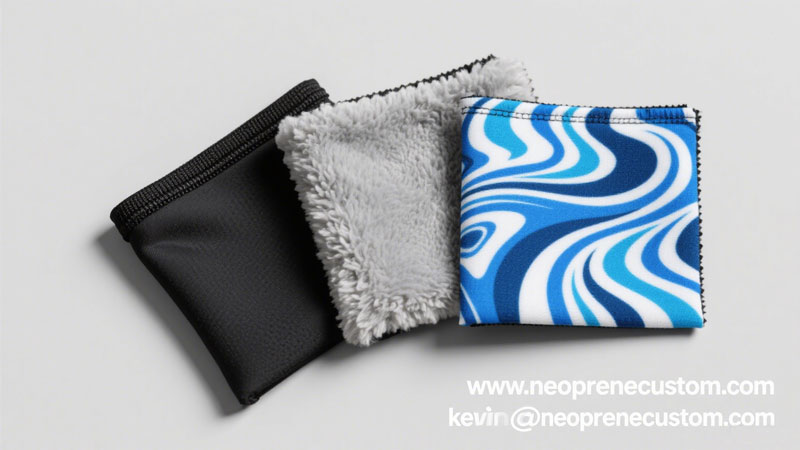
You Design the Lamination: This is where your vision comes to life. Do you want a super-stretch nylon exterior and a zirconium thermal interior? Done. Do you need a durable, abrasion-resistant polyester exterior with a custom camouflage print and a standard nylon interior? We can do that too. You can specify different laminates for the front and back of the same sheet.
You Control the Aesthetics: We offer fabric dyeing to match any Pantone color, as well as high-resolution sublimation printing for custom graphics, logos, and patterns. Can you imagine the branding possibilities?

Why navigate a complex supply chain of foam suppliers, fabric mills, and laminators when you can have a single, expert partner? We handle the entire process from raw material to finished, laminated sheet, ready for you to cut and sew.
Are you ready to stop compromising and start creating the exact neoprene fabric your wetsuits deserve? The fabric that will give your customers the ultimate warmth and performance they crave? Let's start the conversation.
For inquiries, technical consultations, and to request a sample of our custom laminated fabrics, please contact our lead specialist, Kevin, directly at
Explore our capabilities and see examples of our work by visiting our website: https://neoprenecustom.com.
Isn't it time your brand was built on a foundation of true quality and innovation? We are here to help you build it.
Contact: Kevin
Phone: 13417385320
Tel: 0734-87965514
Email: kevin@neoprenecustom.com
Add: Intersection of Zhangjialing Road and Science and Technology Road, Guiyang Industrial Park, Guiyang Town, Qidong County, Hengyang City, Hunan Province./Dongguan Factory(GUANXIN): Shixin Street, Fushan Village, Liaobu Town, Dongguan, Guangdong Province.
 Kevin
Kevin Kevin
Kevin
 Tianchi