NEOPRENE FACTORY: HUNAN TIANCHI POLYMER NEW MATERIAL CO., LTD.
Language:
 ∷
∷

∷
 ∷
∷
Wetsuit vs Drysuit for Cold Water: Ultimate Guide to Choosing the Best Dive Suit
Diving or engaging in water sports in cold water environments demands the right gear to ensure safety, comfort, and performance. Whether you're scuba diving, surfing, or kayaking, the debate between choosing a wetsuit or a drysuit is critical. Both options offer unique benefits, but which one is better suited for cold water? This guide explores the differences, advantages, and practical applications of wetsuits and drysuits to help you make an informed decision.
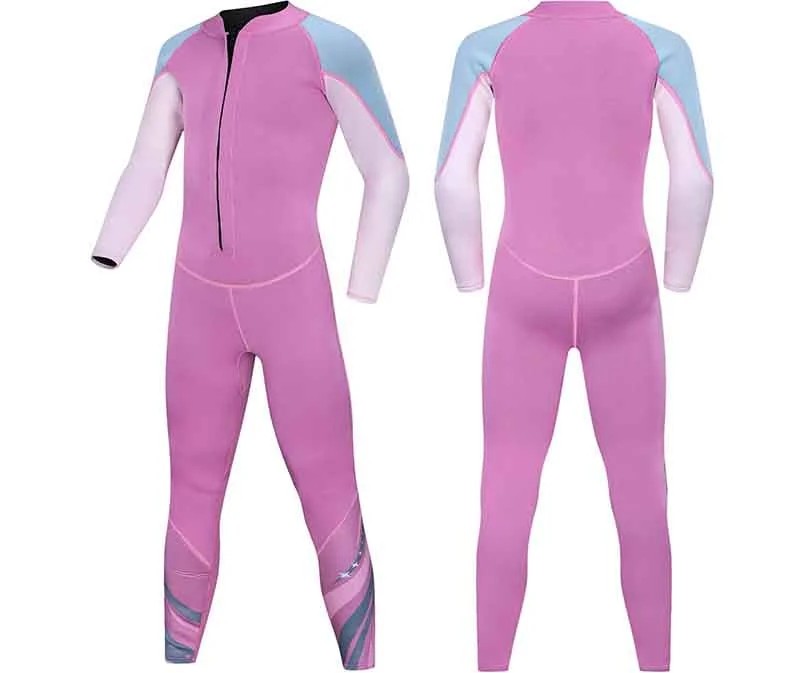
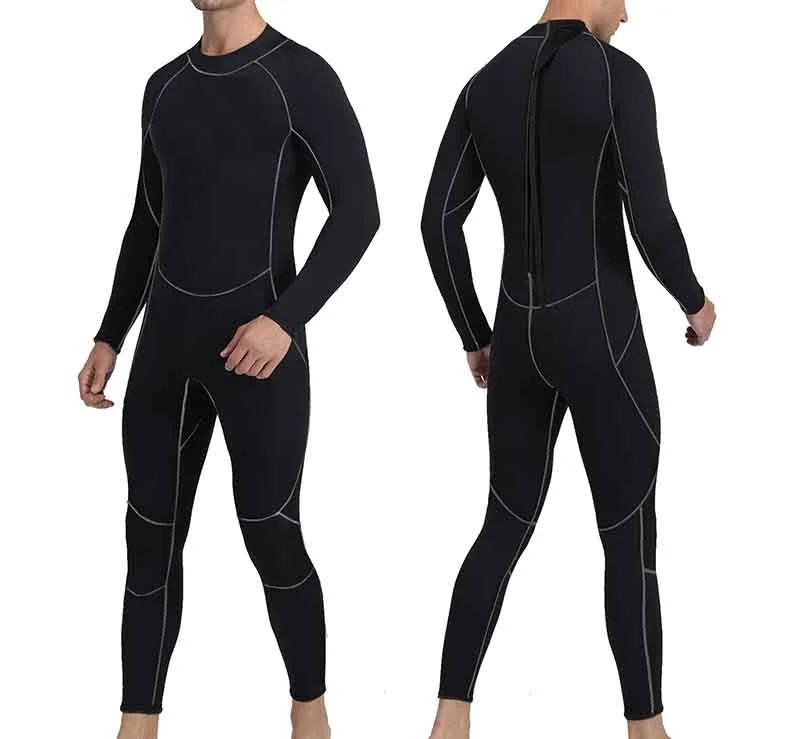
A wetsuit is a skin-tight garment typically made from neoprene, a synthetic rubber that provides thermal insulation, flexibility, and durability. Wetsuits work by trapping a thin layer of water between the suit and your skin, which your body warms, creating a thermal barrier.
Key Features of Wetsuits:
Thermal Insulation: Neoprene thicknesses (e.g., 5mm, 7mm) provide excellent insulation for cold water.
Flexibility: Allows freedom of movement for activities like surfing or swimming.
Durability: Resistant to abrasions and tears, ideal for rugged environments.
Cost-Effective: Generally more affordable than drysuits.
Wetsuits are popular among divers and water sports enthusiasts because they are versatile and suitable for a range of temperatures, from mild to moderately cold waters (50°F–68°F or 10°C–20°C).
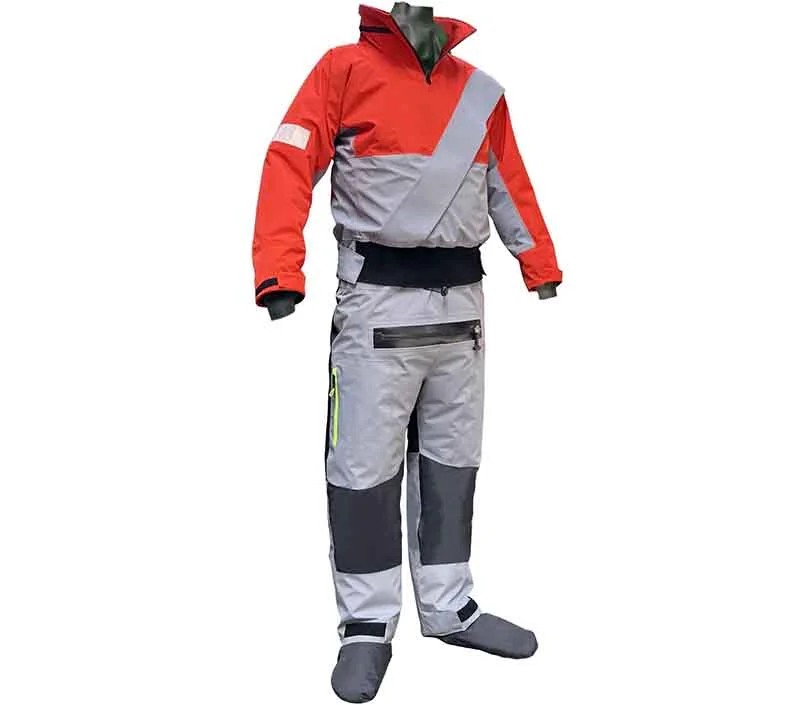
Unlike wetsuits, drysuits are designed to keep you completely dry by providing a waterproof barrier. Made from materials like vulcanized rubber, laminated fabrics, or neoprene, drysuits use seals at the neck, wrists, and ankles to prevent water entry.
Key Features of Drysuits:
Waterproof Protection: Keeps you dry, ideal for extremely cold water (below 50°F or 10°C).
Layering Flexibility: Allows you to wear insulating layers underneath for added warmth.
Durability: Built to withstand harsh conditions, including technical diving.
Versatility: Suitable for various water temperatures when paired with appropriate undergarments.
Drysuits are the go-to choice for professional divers, technical divers, and those venturing into frigid waters where staying dry is essential for prolonged exposure.
When deciding between a wetsuit and a drysuit for cold water, several factors come into play:
Thermal Protection:
Wetsuit: Relies on neoprene thickness and the trapped water layer for insulation. Best for moderately cold water.
Drysuit: Offers superior thermal protection by keeping you dry and allowing customizable insulation layers. Ideal for icy waters.
Mobility and Comfort:
Wetsuit: Provides greater flexibility, making it ideal for dynamic activities like surfing or freediving.
Drysuit: May feel bulkier due to undergarments and seals, but modern designs improve mobility.
Ease of Use:
Wetsuit: Easy to put on and take off, requiring minimal maintenance.
Drysuit: Requires more effort to don, and seals need regular maintenance to ensure waterproofing.
Cost:
Wetsuit: More budget-friendly, with prices ranging from $100 to $500 depending on thickness and quality.
Drysuit: Typically more expensive, ranging from $500 to $2000, due to complex construction and materials.
Durability and Maintenance:
Wetsuit: Durable but prone to wear in high-friction areas like knees and elbows.
Drysuit: Highly durable but requires careful maintenance of seals and zippers.

The choice between a wetsuit and a drysuit depends on your specific activity, water temperature, and personal preferences:
Scuba Diving: For recreational diving in moderately cold water (50°F–60°F), a 7mm neoprene wetsuit offers sufficient warmth and flexibility. For technical diving or colder waters (below 50°F), a drysuit is recommended for extended dive times.
Surfing: Wetsuits are preferred due to their flexibility and ease of movement, especially in waters above 50°F.
Kayaking or Paddleboarding: Drysuits are ideal for prolonged exposure in cold, wet conditions, as they keep you dry even during capsizing.
Freediving: Wetsuits are the go-to choice for their streamlined fit and flexibility.
High-quality neoprene, like that offered by neoprenecustom.com, ensures superior insulation, flexibility, and durability. These materials are engineered to withstand harsh marine environments while providing maximum comfort.
Premium drysuits from trusted manufacturers like those featured on neoprenecustom.com offer advanced waterproofing technologies, durable zippers, and customizable fits. These suits are designed for professional divers and water sports enthusiasts who demand reliability in extreme conditions.
Assess Water Temperature: Check the average water temperature of your dive or activity location. Wetsuits work well for 50°F–68°F, while drysuits are better for below 50°F.
Consider Activity Type: Dynamic activities favor wetsuits, while static or prolonged exposure favors drysuits.
Fit and Comfort: Ensure a snug fit for wetsuits and proper seals for drysuits to maximize performance.
Budget: Balance cost with quality, as investing in a durable suit saves money in the long run.
Choosing between a wetsuit and a drysuit for cold water depends on your activity, water temperature, and budget. Wetsuits offer flexibility and affordability for moderately cold conditions, while drysuits provide unmatched thermal protection and dryness for extreme environments. Explore high-quality options from trusted suppliers like neoprenecustom.com to find the perfect dive suit for your next adventure.
Contact our neoprene experts for free samples & custom solutions! 48h prototyping | OEM/ODM supported | Worldwide shipping.
With 20+ years of neoprene expertise, we deliver:
Free Samples: Experience premium CR foam first hand.
End-to-End Support: From R&D to bulk production.
48-Hour Response: Expert engineers solve your custom challenges.
Get Your Free Sample Now ➔ [Neoprene Product]
Contact Us: kevin@neoprenecustom.com
Contact: Kevin
Phone: 13417385320
Tel: 0734-87965514
Email: kevin@neoprenecustom.com
Add: Intersection of Zhangjialing Road and Science and Technology Road, Guiyang Industrial Park, Guiyang Town, Qidong County, Hengyang City, Hunan Province./Dongguan Factory(GUANXIN): Shixin Street, Fushan Village, Liaobu Town, Dongguan, Guangdong Province.
 Kevin
Kevin Kevin
Kevin
 Tianchi