NEOPRENE FACTORY: HUNAN TIANCHI POLYMER NEW MATERIAL CO., LTD.
Language:
 ∷
∷

∷
 ∷
∷
Have you ever faced a gasket failure that caused costly downtime? The secret to avoiding such setbacks lies in selecting the right material—and neoprene is a top contender for industrial gaskets. But here’s the catch: not all neoprene is created equal. The density of neoprene, typically ranging from 40 to 80 kg/m³, directly impacts its performance in sealing, durability, and adaptability. At https://neoprenecustom.com, we specialize in crafting custom neoprene gaskets tailored to your exact specifications. Curious about how to choose the perfect neoprene density for your industrial needs? Let’s explore the essentials.
Why is neoprene so widely used in industrial applications? Neoprene, a synthetic rubber, offers a unique blend of flexibility, chemical resistance, and resilience. Its ability to withstand oil, UV rays, and extreme temperatures makes it ideal for gaskets in demanding environments. Whether you’re sealing automotive engines, marine equipment, or chemical pipelines, neoprene gaskets deliver unmatched performance. But the key to optimizing their functionality lies in selecting the right density—between 40 and 80 kg/m³.
At https://neoprenecustom.com, we understand that every project has unique requirements. That’s why we offer custom neoprene gaskets designed to meet your specific needs. Want to know how density affects your gasket’s performance? Read on.
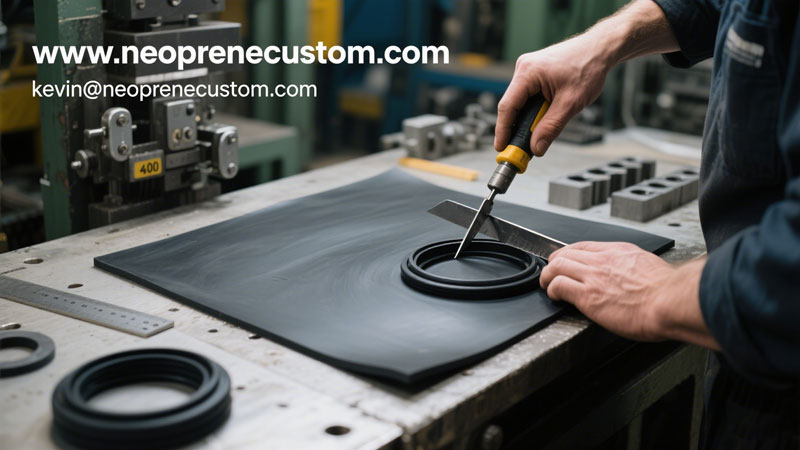
What does neoprene density mean, and why is it critical? Neoprene density, measured in kilograms per cubic meter (kg/m³), determines how compact or porous the material is. This affects its compressibility, strength, and suitability for different applications. Let’s break down the 40-80 kg/m³ range:
Low-Density Neoprene (40–50 kg/m³): Lightweight and highly flexible, low-density neoprene is perfect for applications requiring a soft, conformable seal. It excels in low-pressure environments, such as HVAC systems or lightweight machinery, where it adapts to irregular surfaces for a leak-proof seal.
Medium-Density Neoprene (50–65 kg/m³): This versatile option balances flexibility and strength, making it suitable for automotive, marine, and construction applications. It can handle moderate pressure and temperature changes, offering durability without sacrificing adaptability.
High-Density Neoprene (65–80 kg/m³): Built for heavy-duty tasks, high-density neoprene is rigid and robust. It’s ideal for gaskets in oil and gas pipelines, chemical plants, or heavy machinery, where high pressure and harsh conditions demand superior strength.
Unsure which density suits your project? Contact our experts at kevin@neoprenecustom.com for personalized guidance.
Why are neoprene gaskets so versatile? Their ability to perform in diverse industries makes them indispensable. Here are some key applications:
Automotive: Neoprene gaskets seal engine components, preventing oil and coolant leaks in high-temperature environments.
Marine: High-density neoprene gaskets resist saltwater corrosion, making them ideal for shipbuilding and offshore equipment.
Construction: Low-density neoprene gaskets provide weatherproof seals for HVAC systems, windows, and doors.
Oil and Gas: High-density neoprene ensures leak-proof seals in pipelines and processing plants, even under extreme pressure.
At https://neoprenecustom.com, we craft neoprene gaskets for all these industries and more. Our customization capabilities ensure you get the perfect gasket for your application.
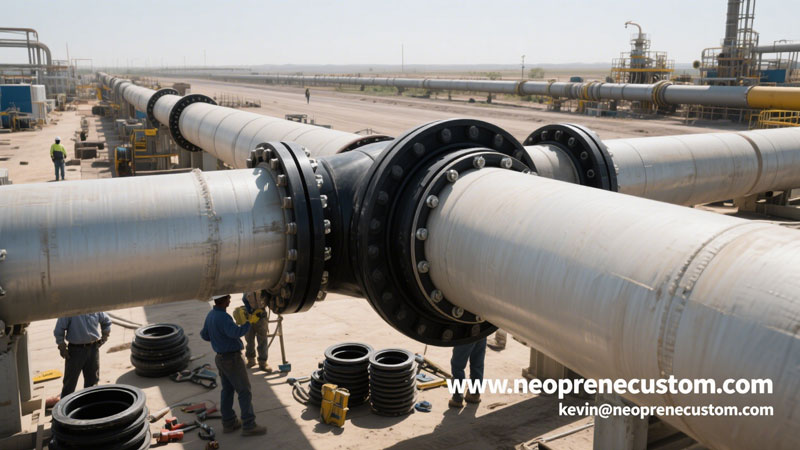
Why settle for generic gaskets when you can have tailor-made solutions? At https://neoprenecustom.com, we’re a leading manufacturer of custom neoprene gaskets. Here’s what sets us apart:
Tailored Solutions: We offer neoprene gaskets in densities ranges from 40 to 80 kg/m³, customized to your specifications.
Premium Quality: Our materials are sourced from trusted suppliers, ensuring durability and reliability.
Expert Support: Our team guides you in selecting the ideal density and design for your project.
Global Service: We deliver high-quality gaskets to clients worldwide, meeting international standards.
Ready to enhance your operations with custom neoprene gaskets? Email kevin@neoprenecustom.com for a consultation.
Selecting the perfect neoprene density doesn’t have to be daunting. Ask yourself:
What’s the operating environment? Harsh chemicals or extreme temperatures call for high-density neoprene (65–80 kg/m³).
What pressure will the gasket face? Low-pressure applications, like HVAC seals, benefit from low-density neoprene (40–50 kg/m³).
Do you need flexibility or rigidity? Medium-density neoprene (50–65 kg/m³) offers a versatile balance.
Still unsure? At https://neoprenecustom.com, we make the process easy. Contact us at kevin@neoprenecustom.com to discuss your needs and receive a custom solution.
Why risk leaks or downtime with subpar gaskets? Partner with https://neoprenecustom.com for high-performance, custom neoprene gaskets tailored to your needs. Whether you need low-density seals for flexibility or high-density solutions for durability, we’ve got you covered. Contact kevin@neoprenecustom.com today for a personalized quote and elevate your industrial applications.
Contact: Kevin
Phone: 13417385320
Tel: 0734-87965514
Email: kevin@neoprenecustom.com
Add: Intersection of Zhangjialing Road and Science and Technology Road, Guiyang Industrial Park, Guiyang Town, Qidong County, Hengyang City, Hunan Province./Dongguan Factory(GUANXIN): Shixin Street, Fushan Village, Liaobu Town, Dongguan, Guangdong Province.
 Kevin
Kevin Kevin
Kevin
 Tianchi